The Ultimate Setup Guide for Your New Balance Rebel V5
The arrival of a fresh pair of specialized performance footwear often represents more than just a purchase; for the dedicated athlete or the casual fitness enthusiast, it signifies a commitment to future goals. In the current landscape of athletic engineering, the New Balance FuelCell Rebel v5 stands as a pinnacle of versatile design, bridging the gap between a daily trainer and a high-speed tempo shoe. While the "setup" of a shoe may seem intuitive, maximizing the potential of a high-rebound, PEBA-blend midsole requires an understanding of the technology at play, the break-in period, and the specific mechanical adjustments that can be made to tailor the experience to individual biomechanics. This guide provides a comprehensive roadmap for integrating the Rebel v5 into a training rotation, ensuring that every mile feels as responsive and supportive as the designers intended.
Understanding the FuelCell Revolution
To properly set up and utilize the Rebel v5, one must first understand the fundamental shift in its construction compared to its predecessors. The v5 marks a significant departure in geometry and foam composition. For the first time in the Rebel lineage, New Balance has employed a high-rebound FuelCell foam that incorporates a significant percentage of PEBA (polyether block amide). This material is characterized by its exceptional energy return and low weight. Unlike traditional EVA (ethylene-vinyl acetate) foams which can feel "dead" or overly firm during the first few miles, PEBA-based foams often require a specific decompression phase to reach their peak elasticity.
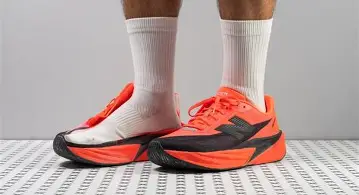
When unboxing the Rebel v5, the first thing a runner will notice is the "rocker" geometry. This is an intentional curvature of the sole designed to facilitate a smoother transition from heel-strike or midfoot-strike to toe-off. Setting up your run with this shoe involves adjusting your cadence to match this curvature. Because the Rebel v5 lacks a rigid carbon plate, it relies on the foam's density and the shape of the last to provide propulsion. This makes it more flexible than "super shoes" while retaining much of their energetic feel.
Initial Fit and Lacing Strategies
The upper of the Rebel v5 is constructed from a lightweight, engineered mesh that offers a significant amount of stretch and breathability. However, the internal gusseting and the structure of the heel counter are where the "setup" truly begins. Achieving a lockdowns that prevents heel slippage without creating pressure points on the dorsal part of the foot is essential for high-tempo efforts.
For those with a narrower foot, utilizing the secondary eyelets for a "runner’s loop" (or heel lock) is highly recommended. This technique uses the extra holes at the top of the eyestay to create a loop that Cinches the heel back into the pocket. Conversely, if you have a high instep, the Rebel v5’s tongue design allows for a "window lacing" technique, where the laces skip an eyelet over the most sensitive part of the midfoot. Because the Rebel v5 is designed for speed, a secure midfoot lockdown is more critical here than in a standard walking shoe; any internal movement at 7-minute-per-mile pace can lead to friction burns or hot spots.
The Break-In Phase: What to Expect
Modern performance foams are much better "out of the box" than they were a decade ago, but the Rebel v5 still benefits from a structured introductory period. The initial 10 to 15 miles serve to compress the cellular structure of the FuelCell foam slightly, allowing it to "settle" into a state where the energy return becomes more consistent. During these first few outings, it is common to feel a sense of instability due to the high stack height and the softness of the foam. This is not a flaw in the shoe but rather a characteristic of high-energy-return materials.
It is advisable to start with a short, easy-paced run of three to four miles. This allows the heat from your feet to help the upper mesh mold to your specific foot shape. Pay close attention to the arch. The Rebel v5 has a slightly wider base than the v4, providing more inherent stability, but the foam will still compress more under the areas of greatest pressure. After the second or third run, you will likely find that the "bounciness" becomes more predictable and the transition from midfoot to toe-off feels more natural.
Performance Analysis: A Detailed Look
The Rebel v5 excels in the "uptempo daily trainer" category. It is not as aggressive as a plated racing shoe, yet it is significantly more energetic than a standard protective trainer. The absence of a plate is a deliberate design choice that buyers should celebrate. It allows the foot to move more naturally, engaging the intrinsic muscles of the foot that can sometimes become neglected when using rigid carbon-plated footwear. This makes the Rebel v5 an excellent tool for building foot strength during interval sessions or fartlek workouts.
Shop the latest Electronics picks on Amazon.
Shop Amazon →The outsole features strategic rubber placement. To maximize the life of your setup, it is important to monitor the wear patterns. New Balance has placed high-abrasion rubber in the forefoot and the lateral heel—the two most common points of contact. If you find the shoe feels "slippery" on wet pavement during the first mile, this is often due to a thin coating used in the manufacturing process. A quick ten-minute run on dry asphalt will typically scuff this off, revealing the true grip of the Ndurance rubber compound.
Pros and Cons of the Rebel v5
- Pro: Exceptional Weight-to-Cushion Ratio – The use of PEBA-blended FuelCell foam allowed New Balance to increase the stack height while keeping the weight lower than most competitors in the same class.
- Pro: Versatility – It is equally comfortable at recovery paces as it is during threshold efforts, making it a "one shoe to do it all" candidate for many.
- Pro: Ground Feel and Flexibility – Unlike plated trainers, the Rebel v5 provides a flexible, natural ride that allows for better proprioception.
- Pro: Improved Stability – The wider platform compared to previous versions reduces the "tippiness" often associated with soft, high-stack foams.
- Con: Minimalist tongue – The thin, race-inspired tongue requires careful positioning to avoid folding or bunching under the laces.
- Con: High-Mileage Durability – While the foam is resilient, the exposed FuelCell in the midfoot area may show cosmetic wear faster than heavy-duty daily trainers.
- Con: Sizing Consistency – The engineered mesh can feel quite snug; some users may need to go up a half size compared to their standard New Balance casual shoes.
Comparative Anatomy: Rebel v5 vs. The Market
When setting up your footwear rotation, it is helpful to see how the Rebel v5 fits into the broader ecosystem of performance shoes. Below is a comparison table showcasing its specifications against common industry standards for the category.
| Feature | New Balance Rebel v5 | Traditional Daily Trainer | Carbon-Plated Racer |
|---|---|---|---|
| Midsole Material | FuelCell (PEBA Blend) | Standard EVA / TPU | Pebax / Carbon Plate |
| Weight (Approx.) | 7.5 oz (Men's) | 9.5 - 11.0 oz | 6.5 - 7.5 oz |
| Heel-to-Toe Drop | 6 mm | 8 - 12 mm | 4 - 8 mm |
| Primary Use | Tempo / Daily Mileage | Slow Recovery / Walking | Race Day Only |
| Flexibility | High | Moderate | Very Low |
Buying Guide: Is the Rebel v5 Right for You?
Selecting the Rebel v5 involves more than just picking a colorway. Potential owners should consider their specific use cases. If you are a runner who prefers a "firm" and "traditional" feel, the Rebel v5 might initially feel too soft. However, for those who experience joint fatigue on longer runs, the dampening qualities of the FuelCell foam are a significant benefit.
Consider your weekly mileage. If you run 20 miles a week, the Rebel v5 can likely serve as your primary trainer. If you run 50+ miles a week, the Rebel v5 is best positioned as your "specialty" shoe—the one you reach for on Tuesdays for track work or Thursdays for tempo blocks. It complements a heavier, more structured trainer perfectly by providing a different stimulus to the muscles of the lower leg.
Furthermore, pay attention to the surface geometry of your typical route. The Rebel v5 is a road-focused shoe. While the outsole is durable, the soft midsole foam is susceptible to puncturing by large, sharp rocks or debris found on technical trails. For best results, keep this setup on asphalt, concrete, or synthetic tracks where the energy return can be fully realized.
Maintenance and Longevity Tips
To preserve the "bouncy" setup of your Rebel v5, proper maintenance is crucial. Because the FuelCell foam is essentially a gas-infused polymer, it is sensitive to extreme temperatures. Never store your shoes in a hot car, as the heat can permanently degrade the cell structure of the foam, causing it to lose its rebound properties prematurely. Similarly, if the shoes get wet, avoid placing them near a direct heat source like a radiator. Instead, remove the insoles and stuff the shoes with newspaper to air-dry at room temperature.
Rotating your footwear is another key aspect of the "setup." Research suggests that allowing the midsole foam to fully decompress for 24 to 48 hours between runs can extend the effective life of the cushioning. If you run every day, having two pairs of shoes—the Rebel v5 and perhaps a more cushioned maximalist shoe—will ensure that the PEBA blend in the New Balance maintains its structural integrity for a longer period.
Discover deals on Electronics — updated daily.
View Offers →Real-World Use Cases
Buyers typically fall into three categories when choosing the Rebel v5. The first is the "marathoner in training" who needs a lightweight shoe for long-run intervals. For this user, the Rebel v5 provides the speed of a race shoe without the harshness of a carbon plate, allowing for higher volume training with less recovery time needed for the feet. The second category is the "5K specialist" who wants a fast, nimble shoe for short, explosive efforts. The Rebel v5’s low weight and 6mm drop make it ideal for cornering and rapid acceleration.
The third category is the "enthusiast walker or gym-goer" who appreciates the aesthetic and the extreme comfort. While designed for running, the Rebel v5 has gained a following among those who spend long hours on their feet in hospitals or retail environments. For these users, the setup is less about "cadence" and more about "pressure relief." The wide forefoot allows for natural toe splay, which is vital for comfort during an eight-hour shift.
Advanced Setup: Choosing the Right Sock
The technical "setup" of a high-performance shoe is incomplete without considering the interface between the foot and the upper. The Rebel v5’s engineered mesh is incredibly breathable, almost to the point of being translucent in some sections. To maximize the performance, a thin, synthetic moisture-wicking sock is preferable to a heavy cotton one. Cotton absorbs moisture, which increases the weight of the setup and increases the risk of blisters when the mesh upper rubs against damp fabric. Look for socks with a slightly higher tab at the heel to prevent the minimalist collar of the Rebel v5 from contacting the skin directly if you are prone to Achilles irritation.
Fine-Tuning the Insole
While the stock insole of the Rebel v5 is designed to work in tandem with the FuelCell foam, some users with specific orthotic needs may choose to swap it out. If you require significant arch support, be aware that adding a rigid orthotic can change the "rocker" feel of the shoe. Because the Rebel v5 is designed to be flexible, a very stiff insert might create a point of conflict in the midfoot. If you must use an after-market insole, opt for a flexible, low-profile version that mimics the contours of the original New Balance insert. This ensures you get the correction you need without sacrificing the energetic ride that defines the Rebel v5.
As you progress through the lifespan of the shoe—typically 300 to 400 miles—you may notice the "setup" changing. The foam will eventually transition from "bouncy" to "soft" and finally to "compressed." Regularly testing the foam's resilience with a simple thumb-press test on the sidewall can help you determine when the setup has reached its end of life. When the foam no longer springs back quickly, it is time to retire the pair from performance running and perhaps transition them into a comfortable walking shoe.
Conclusion
The New Balance FuelCell Rebel v5 represents a sophisticated evolution in the world of non-plated performance trainers. By understanding that the "setup" of this shoe involves careful lacing, a measured break-in period, and an appreciation for its PEBA-blend foam, runners can unlock a level of efficiency that rivals much more expensive racing footwear. Whether you are aiming for a personal best in a local 10K or simply looking for a daily trainer that makes every mile feel a little more effortless, the Rebel v5 provides a platform that rewards proper attention to detail. Once you have dialed in the fit and adjusted your expectations to its unique, energetic ride, the Rebel v5 becomes more than just equipment—it becomes a catalyst for your best performance.