I Switched to the Arctis 7 2019 Edition Wireless and Here is What Happened
Introduction
After years of using a wired headset and a couple of budget wireless models, the decision to try the SteelSeries Arctis 7 2019 Edition Wireless came down to a few practical goals: get rid of cable clutter, keep reliable low-latency audio for competitive games, and find something comfortable enough for marathon sessions. This article describes the real-world experience of switching to the Arctis 7 2019 Edition, evaluates how it performs across common use cases, and helps buyers decide whether it fits their needs.
First impressions and setup
Out of the box, the Arctis 7 2019 Edition presents itself as a clearly gaming-focused headset but with a restrained aesthetic — no gaudy RGB or flashy plastics. Setup for PC is straightforward: plug the included USB wireless transmitter into a USB port, power on the headset, and the two connect automatically. For console use, the USB transmitter also connects to PS4 and similar systems, while a wired connection remains available for mobile devices or controllers that accept a 3.5mm connection (depending on controller compatibility).
Initial pairing is fast, and SteelSeries' configuration software (available on PC) quickly detects the headset and offers EQ presets and basic customization. The out-of-box sound is balanced enough for most users; it leans neither toward heavy bass nor clinical treble. The microphone is retractable and easy to mute on the fly by flipping it up, a practical feature for live multiplayer sessions or impromptu conversations.
Detailed product review and analysis
Build quality and comfort
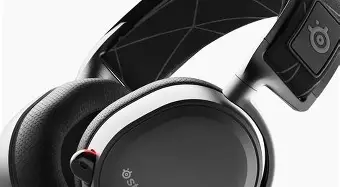
The Arctis family is known for its ski-goggle-style suspension headband and lightweight steel-reinforced construction; the 2019 Edition keeps that approach. The suspension band self-adjusts to head shape, distributing weight more evenly than rigid headbands. Earcups use breathable fabric padding that feels soft during extended wear and helps manage heat better than dense leatherette.
In practice, Comfort is where the headset shines. The combination of light weight and generous padding makes it suitable for long gaming sessions, remote meetings, or afternoon movie marathons. Users who wear glasses find the clamp pressure pleasantly forgiving, though very large heads or thick-rimmed glasses may still experience slight pressure after many hours.
Wireless performance and latency
The Arctis 7 2019 Edition uses a dedicated 2.4 GHz wireless connection via a USB transmitter. In everyday usage this translates to a snappy connection with minimal audible lag — an important point for competitive FPS games where audio cues matter. Range is reliable across a typical living room or small apartment; moving through walls or floors can reduce range, but dropouts are uncommon within normal distances.
It’s worth noting that this is not a Bluetooth-first headset. That design choice keeps latency low for gaming and PC audio but means switching between multiple mobile devices on the fly (a common Bluetooth convenience) isn’t the Arctis 7’s strong suit without reconnecting the dongle.
Sound quality
Sound on the Arctis 7 2019 Edition is tuned for clarity and positional detail, which benefits gamers seeking accurate footsteps, environmental cues, and clear voice chat. Midrange detail is especially good — voices and many in-game sounds come through naturally. Bass is present and satisfying for explosions or soundtrack passages but not hyper-emphasized, which helps retain clarity at higher volumes.
For music and movies, the headset performs well enough for casual listeners. Audiophiles who favor extremely deep and textured bass or a wide soundstage for orchestral music may want a dedicated audiophile headphone or an equalizer tweak. Fortunately, the SteelSeries software provides EQ presets and sliders that allow tailoring the profile toward music, movies, or a brighter competitive edge.
Microphone and communication
The ClearCast retractable microphone (a hallmark of the Arctis range) provides excellent clarity and noise rejection compared to many built-in console headsets or cheap gaming headsets. Voice reproduction is natural and intelligible on the receiving end, and the retractable design makes it easy to store the mic when using the headset for single-player or media consumption.
Shop the latest Audio & Headphones picks on Amazon.
View Offers →For streamers or podcasters who need ultra-polished vocal capture, a dedicated USB microphone will still be superior, but for team voice chat, the Arctis 7 is more than adequate. In noisy rooms or with TV background sounds, the microphone does a good job keeping focus on the speaker’s voice without transmitting excessive ambient noise.
Battery life and day-to-day use
Battery life is one of the practical considerations most buyers weigh when moving to wireless. The Arctis 7 2019 Edition offers a long runtime that easily supports a full day of heavy play or several long sessions across a few days. Charging can be done via USB while continuing to use the headset in wired mode if needed (useful for tight deadlines or marathon streams).
Power management in real-world use is forgiving: it won’t suddenly drop at critical moments if the headset was charged the night before. Still, long travel days without a charger will require attention because the headset depends on its internal battery rather than swappable packs.
Software and customization
SteelSeries Engine on PC provides basic customization: EQ adjustments, presets, firmware updates, and device settings. The software is functional and gets the job done, although power users may find the interface less polished than some competitor offerings. On consoles, customization is limited or nonexistent; the headset’s on-headset controls take over instead.
One advantage for PC users is that regularly updated firmware over the SteelSeries ecosystem keeps the device stable and occasionally adds features or improves performance. For users who prefer plug-and-play with minimal software, the headset is usable out of the box with good default settings.
Real-world use cases
The Arctis 7 2019 Edition performs well across a range of real-world scenarios:
- Competitive gaming: low latency and precise positional audio help in matchmaking and ranked play.
- Casual/co-op gaming and couch play: wireless freedom removes the tangle of cables and allows comfortable couch setup.
- Work from home/remote meetings: clear microphone and comfortable long-wear design suit all-day conference use.
- Streaming and content creation: good vocal capture for voice chat and a neutral sound signature that can be shaped with EQ; many streamers will still prefer an external mic for centerpiece audio.
- Media consumption: strong mids and controlled bass provide enjoyable movie and music playback for non-critical listening.
Pros & Cons
Pros
- Comfortable for long sessions: The suspension headband and breathable ear fabric reduce fatigue.
- Low-latency wireless: Reliable 2.4 GHz connection suitable for competitive gaming.
- Clear, practical microphone: Retractable mic offers good voice clarity and noise rejection.
- Balanced sound signature: Neutral tuning works across games, movies, and casual music listening.
- Strong battery life: Long runtimes that suit regular daily use without frequent charging.
Cons
- No Bluetooth versatility: Switching to phones or other Bluetooth devices is not seamless without adapters.
- Limited console customization: Advanced EQ and firmware options are mainly available on PC.
- Not the last word in audiophile fidelity: Listeners seeking very high-resolution music reproduction may want dedicated headphones and a separate amp/DAC.
- Non-swappable battery: While battery life is strong, the internal battery cannot be changed mid-session.
Comparison table — how the Arctis 7 2019 Edition stacks up
The table below gives a high-level comparison of the Arctis 7 2019 Edition against common alternatives a buyer might consider. The focus is on practical differences buyers care about.
| Model | Wireless Approach | Best for | Notable strengths | Typical trade-offs |
|---|---|---|---|---|
| Arctis 7 (2019 Edition) | Dedicated 2.4 GHz USB wireless | Gamers wanting low latency and long comfort | Comfort, reliable wireless, balanced sound, clear mic | Limited Bluetooth; PC customization better than consoles |
| Arctis Pro Wireless | Dual wireless systems (lossless 2.4 GHz + Bluetooth on some variants) | Users who want premium audio and multi-device switching | Higher-end audio, sometimes swappable batteries, richer feature set | Higher price, heavier, more complex setup |
| Typical Competitor (e.g., mid-range wireless) | Varies — some use Bluetooth, others 2.4 GHz | Casual users seeking low cost or Bluetooth flexibility | Often lower price, Bluetooth convenience | Higher latency on Bluetooth, comfort and mic quality vary widely |
Buying guide — what to consider before switching
When evaluating the Arctis 7 2019 Edition or a similar wireless headset, buyers should consider several practical factors that determine satisfaction in day-to-day use.
1. Platform compatibility
Decide where the headset will be used most. The Arctis 7 excels on PC and PlayStation consoles with a USB transmitter. If mobile and Bluetooth multipoint switching are essential, look for headsets with robust Bluetooth alongside a low-latency mode. Always confirm whether a console will accept the USB dongle and whether a wired passthrough is required for certain controllers.
Shop the latest Audio & Headphones picks on Amazon.
Browse Now →2. Latency and wireless type
For competitive gamers, latency matters. Low-latency 2.4 GHz wireless solutions (like the Arctis 7’s) maintain responsiveness similar to wired headsets. Bluetooth is convenient for phones but introduces more lag that may be noticeable in fast-paced titles.
3. Comfort and fit
Materials and weight are the most tangible comfort factors. Look for breathable earpads, a forgiving headband, and an overall lightweight feel. If possible, try a headset with glasses or a similar hairstyle to what will be used most frequently.
4. Microphone quality
Consider the headset’s microphone based on intended use. If voice chat and team coordination are the main priorities, a clear, noise-rejecting boom mic is valuable. For streaming, separate USB microphones will usually yield superior broadcast quality.
5. Battery life and charging
Check whether battery life matches typical usage patterns. If the headset will be used for multi-hour daily sessions, aim for models with long runtimes or easy charging workflows. Verify whether the headset can be used while charging if uninterrupted use is critical.
6. Software and customization
PC users should factor in whether they want to tweak EQ, enable virtual surround, or update firmware. Manufacturers with active software ecosystems provide more control, but console users may rely solely on default tuning and headset controls.
7. Durability and support
Assess build materials and warranty coverage. Steel-reinforced frames and replaceable ear cushions extend usable life. Consider brand support reputation and the availability of spare parts like replacement pads or cables.
8. Budget and alternatives
Price is always a trade-off. The Arctis 7 2019 Edition targets buyers who want a balance of comfort, solid mic, and reliable wireless without reaching the premium expense of high-end audiophile or feature-heavy models. If cost is constrained, look at wired alternatives or Bluetooth options. If maximum audio fidelity and additional studio features are a priority, higher-end models or separate audio chains might be better fits.
Realistic expectations and tips after switching
- Keep the transmitter accessible: USB ports on the front of a PC or a USB extension for a console help maintain a strong wireless link.
- Use EQ sparingly: Small EQ adjustments can unlock better clarity for specific games or music without breaking the headset’s natural balance.
- Rotate cushions when needed: Fabric ear pads maintain comfort but will show wear; replacing pads periodically restores comfort.
- Test mic positioning: Slightly below the mouth rather than directly in front gives the most natural voice without breath noises.
- Watch firmware updates: SteelSeries occasionally issues improvements that enhance stability or add features.
Conclusion
Switching to the Arctis 7 2019 Edition Wireless is a pragmatic move for users who want a comfortable, reliable wireless headset that prioritizes low-latency performance and practical microphone quality. In daily use it delivers consistent sound, long battery life, and a fit designed for extended sessions — qualities that matter most to gamers, remote workers, and streamers who value comfort and clear communication. While it does not target Bluetooth multi-device convenience or the very top tier of audiophile audio, it strikes a solid balance for the majority of buyers seeking a straightforward, dependable wireless gaming headset.